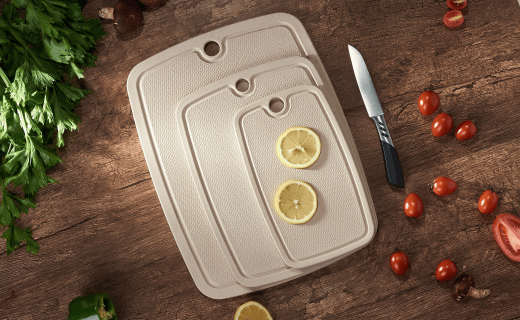
precision trimmed quality assured food prep surface
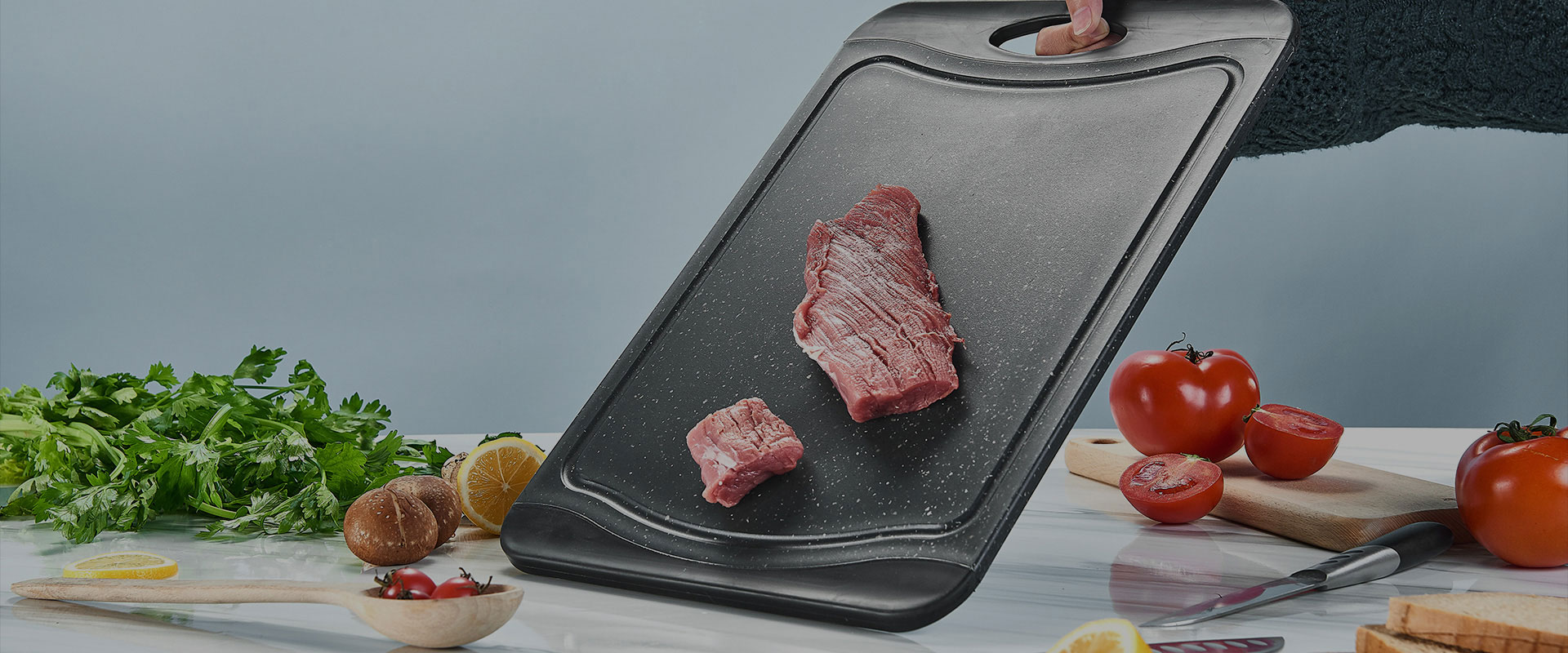 A culinary preparation board is an essential implement in any kitchen. It presents a level and sanitary workspace for food prep, and the ideal selection improves your kitchen tasks significantly. Considering the many alternatives offered, figuring out the first step might be tricky. Relax Custom Cutting Board Manufacturers — this resource explains the main considerations when picking the ideal board for your kitchen.
 Begin with considering the construction materials. Usual picks include timber, bamboo, synthetic, and glass boards. Each material has notable positives and negatives. Timber boards are sturdy and have natural antibacterial properties but demand periodic oil treatment. Bamboo represents a sustainable, strong, and lightweight material. Plastic boards are affordable and easy to clean, but can dull knives more quickly. Tempered glass boards resist scratches and fit dishwashers but are heavy and fragile.
Next, think about the size you need. A small cutting board suits quick herb/garlic jobs, while a larger board delivers the space needed for slicing vegetables or prepping a full meal. Factor in the workspace you have on counters.
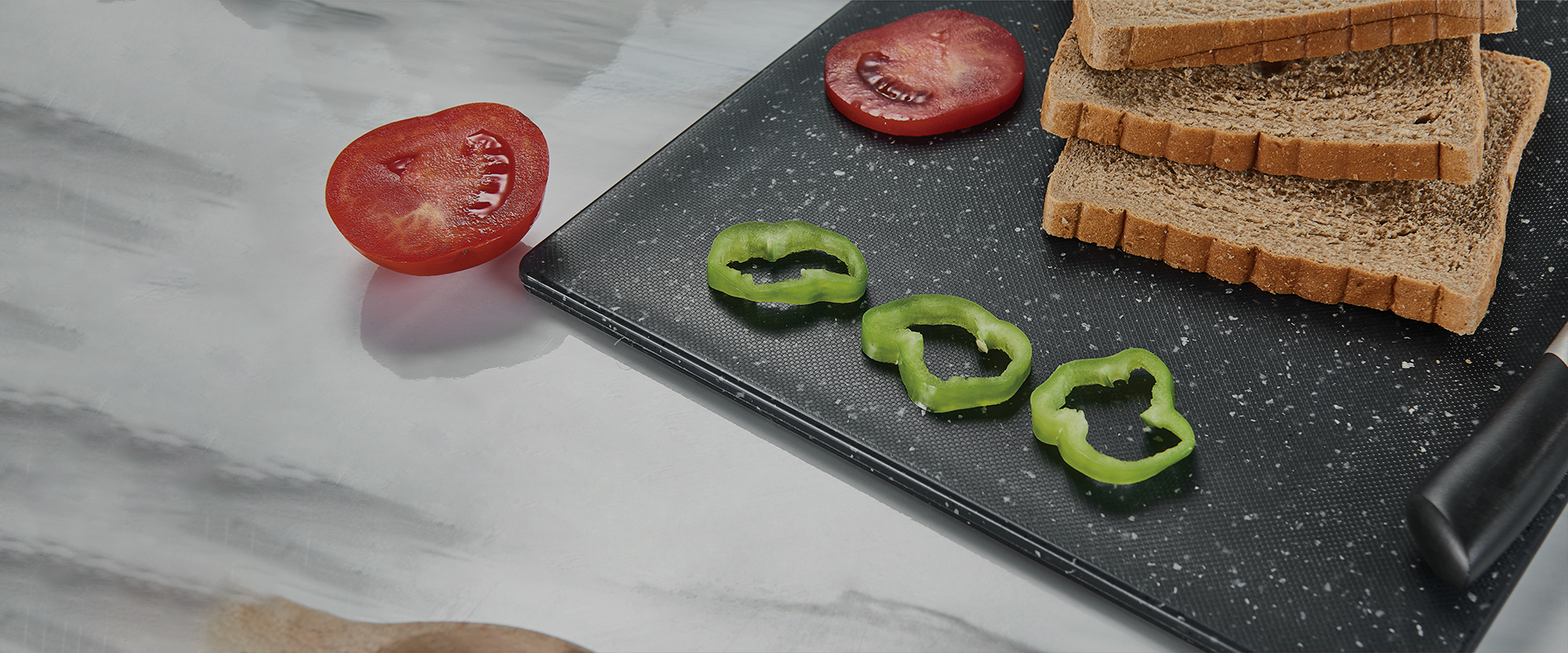
Lastly, keep design in mind. A beautiful cutting surface uplifts your kitchen’s ambiance. Select a surface that harmonizes with your kitchen style and preference.
Plastic vs Wood vs Bamboo: Which Board Wins?
Choosing between plastic, wood, and bamboo remains a frequent point of contention. Each alternative presents particular benefits, making the choice complex for home chefs. Plastic cutting boards are known for their durability and ease of cleaning, while wood boards offer a more natural feel and can be sanded and refinished over time. At the end of the day, the ideal board depends on your culinary habits.
Account for usage regularity, cutting task type, and personal preference in your decision.
- Plastic prep boards commonly provide lower weight and cost than wood boards
- Wooden cutting slabs usually have appealing appearance and longer lifespan with upkeep
- Silicone cutting mats offer flexibility and resist stains though they might lack the durability of polymer or timber
Ultimate 5 Cutting Boards for Culinary Masters
For culinary masters, a dependable board is crucial. It’s the main prep surface managing everything from chopping produce to cutting proteins. Yet with abundant choices, selecting the ideal one can be tricky. Relax, kitchen enthusiasts — our research produced five cutting boards to enhance your cooking.
- Leading our picks is...
- Second choice is...
- Moreover we include...
- Don’t overlook is...
- Completing our list is...
Keeping Your Cutting Board Clean: A Guide
A cutting surface is indispensable yet requires proper upkeep to secure safety and durability. Regularly cleaning your board helps prevent the spread of harmful bacteria.
Follow these straightforward tips to preserve your board in peak condition:
- Wash the cutting surface with hot, soapy water after each use.
- Sanitize using a diluted bleach mix or a certified food sanitizer.
- Dry the board well before storage to prevent moisture.
- Store in a dry, well-aired location to avoid moisture accumulation.
Mastering Knife Sharpening on Your Cutting Surface
Obtaining a razor-sharp edge on a cutting board calls for careful, systematic strokes over random swipes. It’s a careful interplay of consistent pressure and the right bevel angle. Start by positioning your sharpener at a stable angle against the blade—usually a fixed degree. Next, draw the tool along the knife’s edge, keeping that even angle. Keep in mind that finesse, not brute force, delivers better sharpening results. During honing, the blade texture becomes sleeker and less prone to snags. Trial various methods to determine what yields the best sharpened edge for your knife and sharpener. After sharpening, the sharp blade will slice easily and enhance the joy of cooking.
Handcrafting Cutting Boards for Chefs
This issue highlights Timbertop Designs, a notable producer committed to crafting high-quality cutting boards. With long experience, they master converting timber into functional, elegant cutting boards. Their commitment to quality is evident in every detail, from sourcing sustainable wood to using innovative construction techniques.
Every board is uniquely crafted to display the inherent beauty of the wood grain. They sell multiple styles and sizes to serve every purpose, from compact prep boards to large butcher blocks.
- Moreover, Artisan Block Co. supplies accessories such as elegant knife blocks and board oils to preserve your board’s longevity.
- If you want a premium cutting board to treasure in your kitchen, consider Artisan Block Co..
Robust & Stylish: Today's Cutting Board Innovations
Elevate your kitchen aesthetic and performance with modern cutting board designs. Plain heavy boards are out—current designs feature inventive materials and silhouettes that integrate into cooking spaces. Made from sturdy woods such as walnut or maple, these boards endure daily use and add elegance to counters. From rectangular classics to contemporary geometric designs, there’s a board for every style.
- Opt for various finishes to coordinate with your kitchen aesthetic.
- Consider boards equipped with juice channels to keep prep tidy.
- Select a quality board engineered to endure long-term use.
Sustainable Board Selections for Eco-Minded Cooks
When selecting a new board, think about its environmental footprint. Green cutting boards utilize sustainable resources like bamboo, responsibly sourced timber, or recycled plastics. These options decrease your ecological impact and promote planetary well-being.
- Pick bamboo, a rapidly replenishing and robust resource.
- Opt for wood from certified sustainably managed forests.
- Investigate cutting boards formed from recycled plastics to repurpose trash.
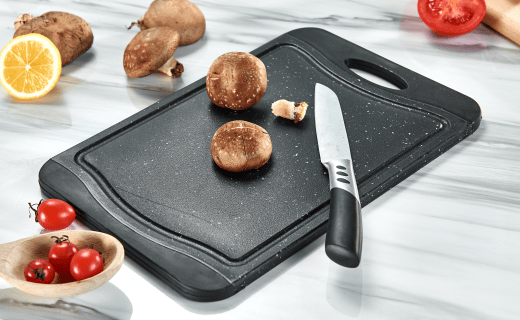
Conquer Stains: Choosing the Proper Cutting Surface
Choosing the right material is essential for a cutting surface. A tough, stain-deflecting surface makes kitchen work easier. Wood surfaces feel traditional but may soak up odors and stains. Bamboo hits a balance between sturdiness and natural antimicrobial behavior. Synthetic boards are economical but often show scratches quickly. Glass boards appear elegant yet may fracture or chip. Choose the board aligned with your needs and kitchen preferences.
Minimizing Accidents with Cutting Boards: Advice
Maintaining the cutting board properly ensures safe food prep. Always sanitize your cutting boards before and after each use. Separate cutting boards for meat, poultry, and fish reduce cross-contamination risk. Avoid slicing at the edge to prevent weakening the board and encouraging bacteria. Replace the cutting board if it acquires deep cuts or fissures.
- Always chop atop a firm surface.
- Keep edges sharp to lessen slip risks.
- Wash hands fully with soap and water after contact with raw food.
Raise Your Culinary Game with a Premium Board
A premium board serves beyond chopping produce. It's an investment that can transform your culinary experience. Made from strong and appealing materials such as hardwood or bamboo, premium boards endure. The smooth prep areas enable precise cutting and their attractive looks augment kitchen aesthetics.
- A premium cutting board can improve the precision of your knife work.
- Safeguard countertops from cuts and wear.
- Exhibit your culinary ability using a handsome, functional board.